
Stoneware vs Earthenware vs Porcelain: What’s the Difference? A Potter’s Guide to Choosing the Right Dinnerware
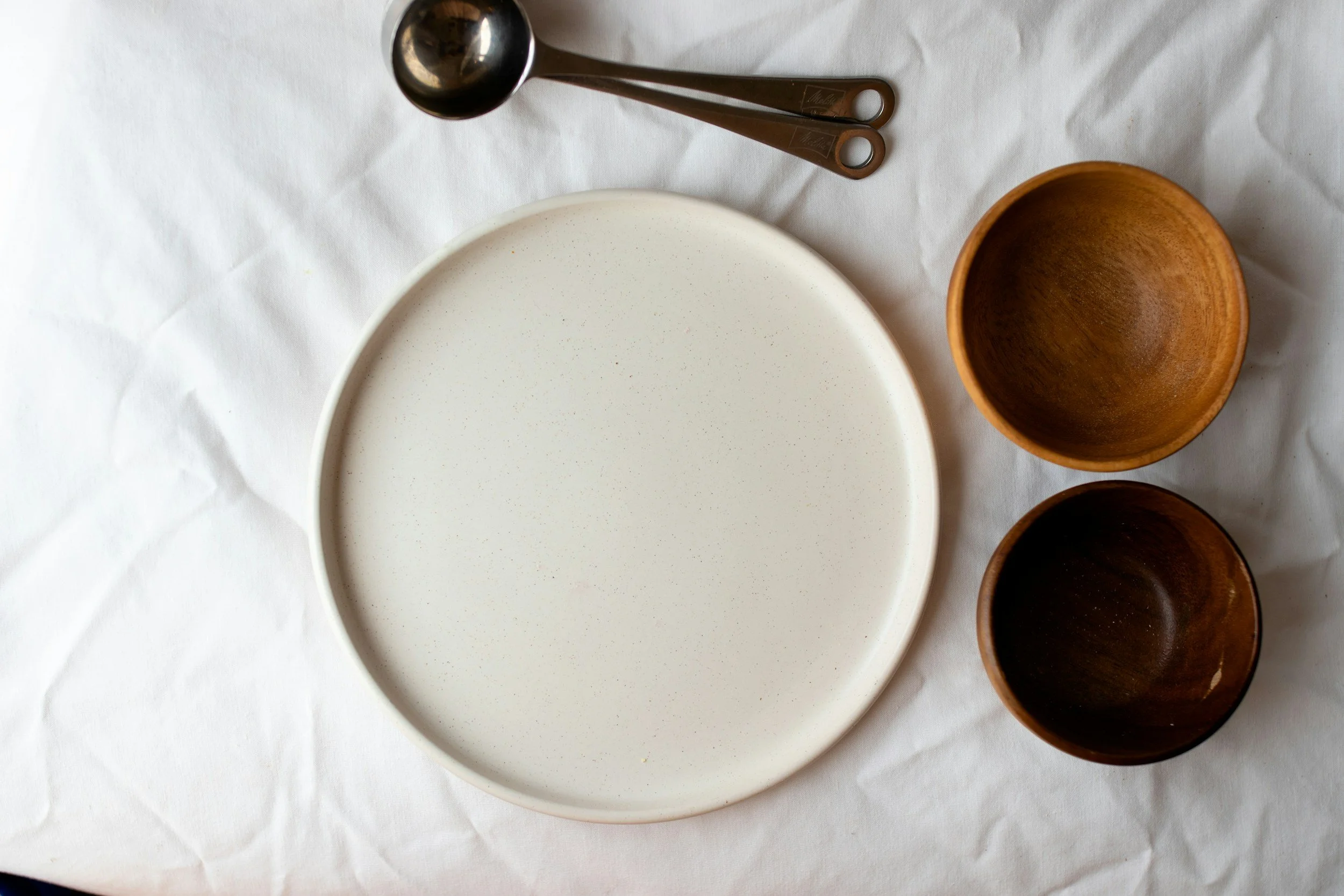
When you’re choosing handmade ceramics — whether it’s a favourite mug, a set of dinner plates, or a bowl you’ll reach for every day — the type of clay matters more than most people realise.
As a potter, I’m often asked: “Which is better, stoneware or porcelain?” “Is stoneware durable?” “What’s the difference between all these clays?”
Let’s walk through it together, so you can choose pieces that feel right for your home and your everyday rituals.
What Earthenware, Stoneware, and Porcelain Are Made Of
Earthenware - the oldest and softest of the three clay types. It fires at lower temperatures, stays slightly porous, and has a warm, rustic feel. It’s beautiful, but it’s also the least durable.
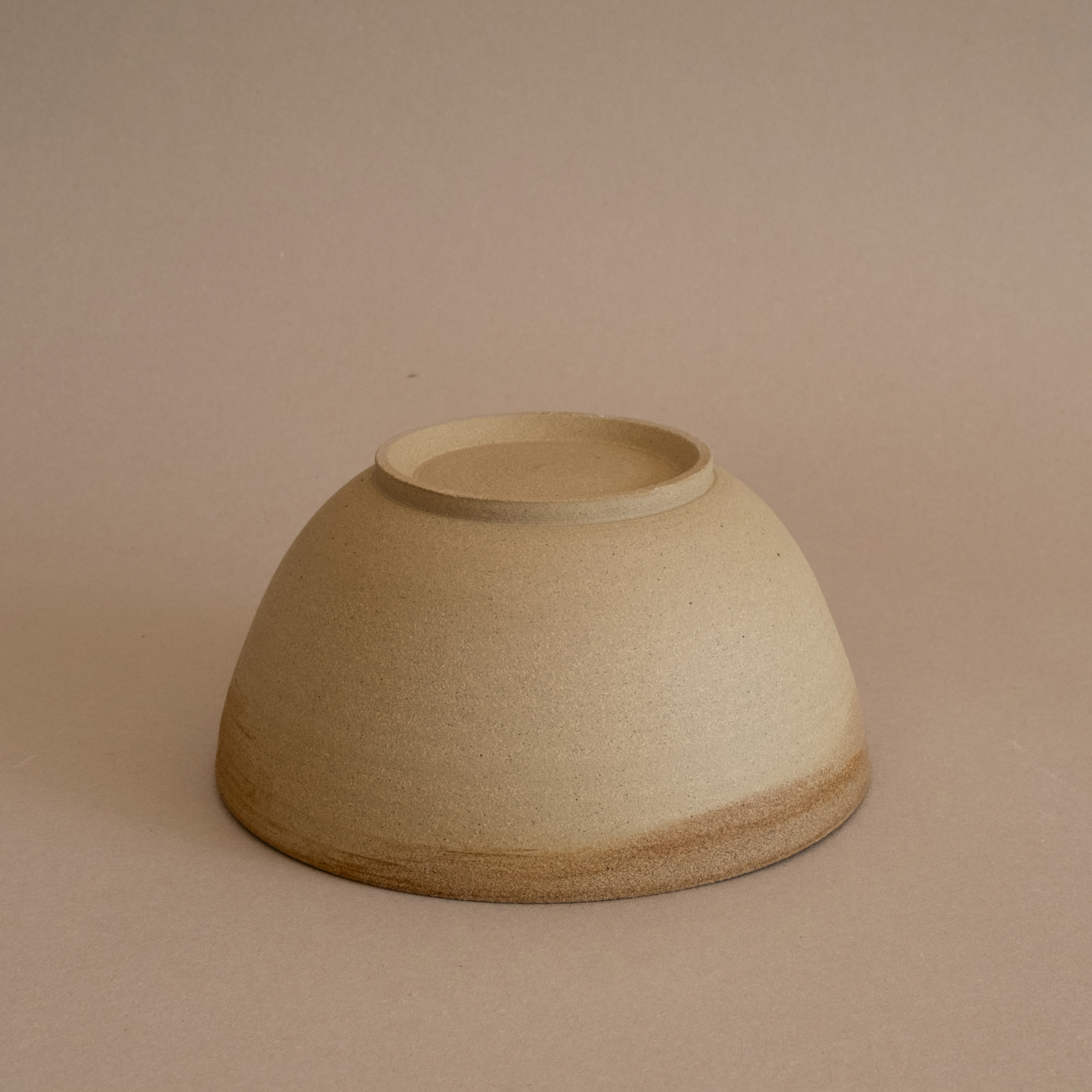
Stoneware - a mid‑ to high‑fire clay that becomes strong, dense, and non‑porous. It has a natural, tactile feel and is perfect for everyday use, hitting the sweet spot between beauty and durability.
Porcelain - a very fine, high‑fire clay that becomes glass‑like, bright, and smooth. It’s elegant and refined, but also more prone to chipping because of its rigidity.
Complete the Look
Handcrafted Dinnerware & Table Accessories From Elisha Ceramics
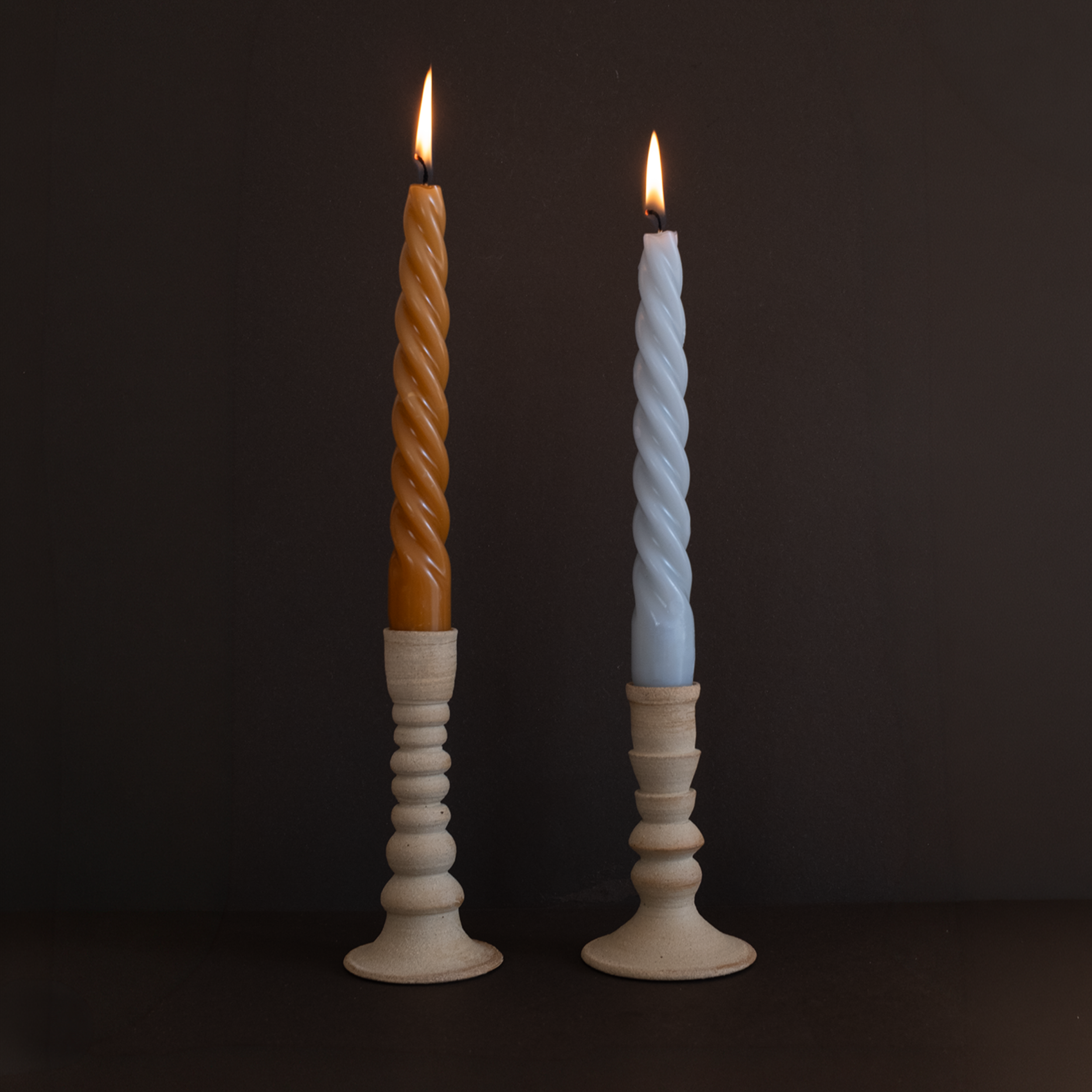
Pair your stoneware with complementary pieces designed to elevate everyday meals, from dipping bowls to candlestick holders and serving dishes.
Firing Temperatures & Strength
Firing temperature determines how strong, dense, and durable a piece of pottery becomes. Lower‑fired clays like earthenware stay more porous and softer, which is why they’re more prone to chipping or absorbing moisture over time. Higher‑fired clays, like stoneware and porcelain, become vitrified, meaning the clay particles melt and fuse together, creating a strong, glass‑like structure.
Earthenware — low‑fire (approx. 1,000°C) Softer, more porous, less durable.
Stoneware — mid/high‑fire (1,200–1,300°C) Strong, vitrified, naturally non‑porous.
Porcelain — high‑fire (1,300°C+) Very hard but also brittle; chips more easily.
Stoneware sits in that perfect middle ground: it’s fired hot enough to be naturally non‑porous and resilient, but still retains the warmth and tactility that handmade ceramics are loved for.
How They Perform as Dinnerware
If you’re choosing dinnerware, the differences become even more noticeable.
Earthenware has a soft, gentle surface that’s perfect for decorative pieces or occasional use, but it doesn’t always stand up to the demands of daily life.
Porcelain looks beautiful on a table and feels light and refined, but its edges can chip more easily, especially in busy kitchens.
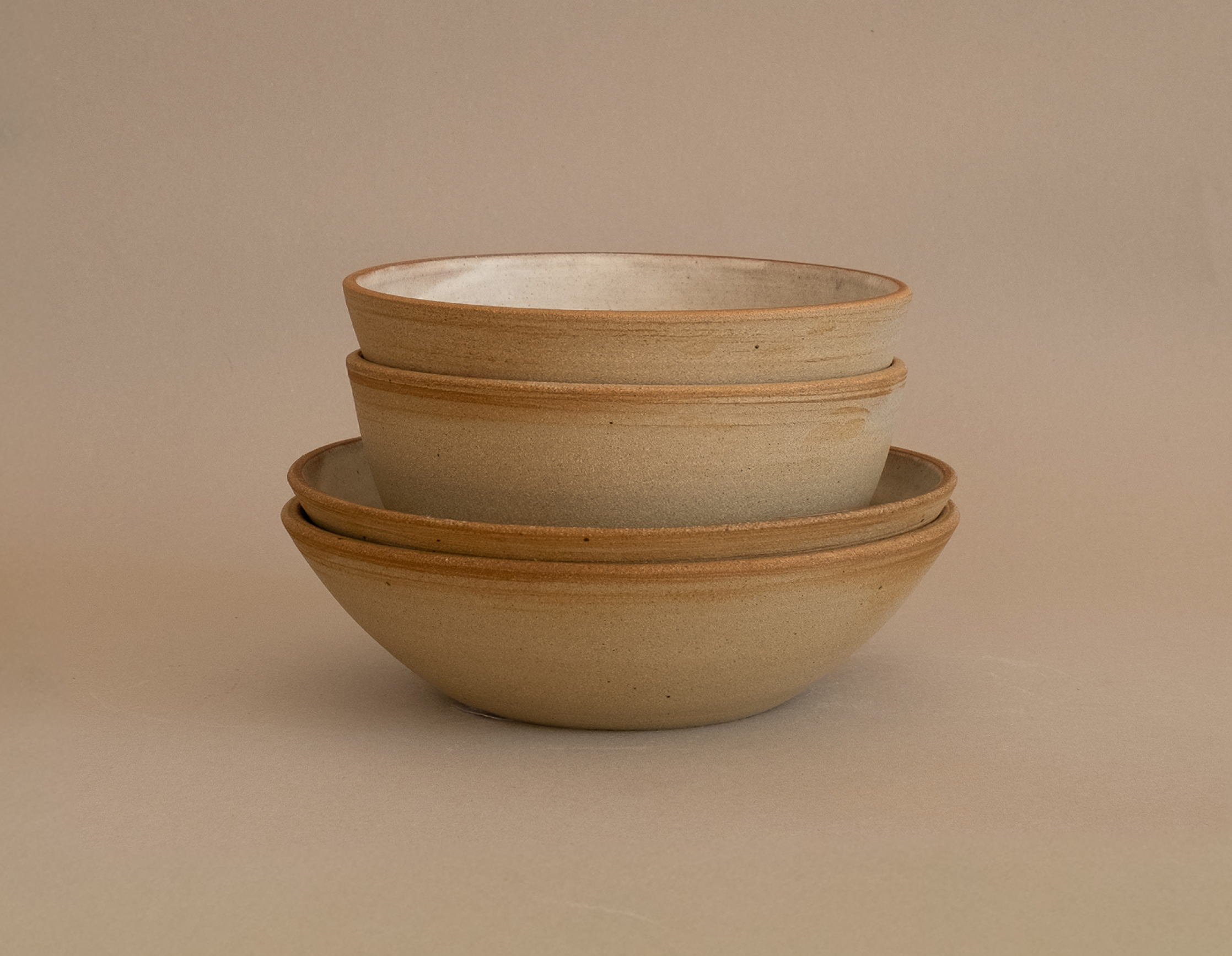
Stoneware, on the other hand, is made for real living. It’s strong, forgiving, and holds heat beautifully… the kind of material you can trust for your morning coffee, your weeknight dinners, and the pieces that get stacked, washed, and used without a second thought. It’s the balance of durability and warmth that makes it such a favourite among potters and home cooks alike.
Aesthetics: How Each Clay Feels in the Home
Each clay has its own personality. Earthenware brings a rustic, traditional feel with its soft edges, warm tones, and a sense of history.
Porcelain is crisp and refined, almost luminous, perfect if you love a clean, minimalist look.
Stoneware sits somewhere between the two. It has a natural, tactile quality that feels grounded and comforting, with glazes that settle into the surface in a way that highlights the handmade nature of each piece. If you’re drawn to earthy, modern, or quietly minimal interiors, stoneware tends to feel right at home.
Care & Everyday Use
How you care for your ceramics really comes down to how the clay behaves once it’s been fired. Earthenware stays slightly porous and softer, so it benefits from gentler handling and hand‑washing. Porcelain is strong but rigid, which means it can chip if it’s knocked against harder surfaces.
Stoneware sits comfortably in the middle. It’s dense, durable, and naturally non‑porous, which is why it handles everyday life so well. You can put it in the dishwasher, warm leftovers in it, and use it without tiptoeing around it. It’s the material that’s built for real kitchens and real routines.
Understanding these differences helps you choose pieces that match the way you live, whether you want something you can pop in the dishwasher every night, or something you only bring out on special occasions.
Earthenware: hand‑wash recommended, not ideal for heavy daily use.
Stoneware: dishwasher‑safe, microwave‑safe, built for real life.
Porcelain: dishwasher‑safe but more fragile; edges can chip.
Stoneware is the most forgiving.
It’s made to be lived with.
Quick Comparison Table
| Material | Durability | Aesthetic | Best For |
|---|---|---|---|
| Earthenware | Low | Rustic, warm | Decorative pieces |
| Stoneware | High | Tactile, earthy | Plates, bowls, mugs |
| Porcelain | Medium | Smooth, refined | Formal Dinnerware |
So… Which Is Better: Stoneware or Porcelain?
It depends on how you live. If you want something elegant for special occasions, porcelain is lovely. If you love rustic charm and don’t mind a little extra care, earthenware has its place.
But for most people, especially those choosing handmade pieces for everyday use, stoneware is the sweet spot. It’s strong, tactile, and quietly beautiful. It’s the material that can handle real life while still feeling special in your hands.
🧡 Why I Choose Stoneware in My Own Work
As a maker, I love stoneware because it lets me create pieces that feel grounded and tactile, the kind of ceramics that become part of someone’s daily rhythm.
It’s strong enough for everyday use, but still carries the softness and variation that makes handmade pottery special. Every mug, bowl, or plate has its own character.
Explore the Collection
Find Your Perfect Dinnerware
Shop handmade stoneware plates and bowls crafted for durability, warmth and everyday use. Explore our full range of small‑batch dinnerware.
SHOP PLATES & BOWLSFAQ: Stoneware vs Earthenware vs Porcelain
-
Yes, stoneware is one of the most reliable materials for daily life. It’s strong, naturally non‑porous, and holds up beautifully to regular washing, stacking, and use. If you want pieces you don’t have to be precious with, stoneware is the most practical choice.
-
All ceramics can chip if dropped or knocked hard, but stoneware is far more chip‑resistant than earthenware and generally more forgiving than porcelain. Its strength comes from being fired at higher temperatures, which makes it dense and durable.
-
Porcelain is smooth, bright, and refined, while stoneware has a more tactile, grounded feel. Porcelain can be slightly more brittle, especially around the edges, whereas stoneware has a strength and warmth that makes it ideal for everyday plates, bowls, and mugs.
-
Earthenware is safe, but it’s softer and more porous than stoneware or porcelain. It’s best for decorative pieces or occasional use rather than the dishes you reach for every day.
-
Most handmade stoneware, including mine, is dishwasher‑safe and microwave‑safe. It’s designed to be lived with, not kept on a shelf.
-
Stoneware has a beautiful balance of strength and character. It’s durable enough for everyday use, but still carries the subtle textures, glaze variations, and warmth that make handmade ceramics feel special.
-
It depends on your lifestyle. Porcelain is elegant and refined, but stoneware is more durable, more forgiving, and better suited to everyday use. If you want pieces that feel good in the hand and stand up to real life, stoneware is usually the better choice.

A small, lightweight dipping bowl with a tactile unglazed exterior and a smooth oatmeal glaze on the inside. More compact and shallow than the medium version, this size is perfect for olive oil, balsamic vinegar, sauces, olives, or any small accompaniments at the table.
It’s also a useful piece in the kitchen, perfect for prepping herbs, spices, garlic, or keeping salt within easy reach while cooking. Each bowl is handmade in small batches, with gentle variations in glaze movement and tone that make every piece unique.
Dimensions: 3.7 in (diameter) × 1.3 in (height)