
How to Care for Stoneware: A Complete Guide to Looking After Your Handmade Ceramics
Stoneware has a quiet, grounded beauty. It’s one of the most durable ceramic materials, fired at high temperatures until it becomes naturally non‑porous and resilient. But even the strongest pieces benefit from a little care.
If you’re new here, you can learn more about my work and process on my homepage.
In my own studio, I glaze all stoneware mugs with a durable satin finish, which means they’re perfectly happy in the dishwasher, though hand washing will always keep them looking their best.
What is Stoneware?
Stoneware is a dense, non‑porous ceramic fired at very high temperatures, giving it exceptional durability for everyday use. As the clay vitrifies in the kiln, it becomes naturally resistant to chipping, cracking, and general wear. This strength makes stoneware a favourite choice for kitchenware, bakeware, and everyday dinnerware. That said, because handmade ceramics carry subtle variations in glaze, texture, and form, a little extra care helps preserve the character that makes each piece unique.
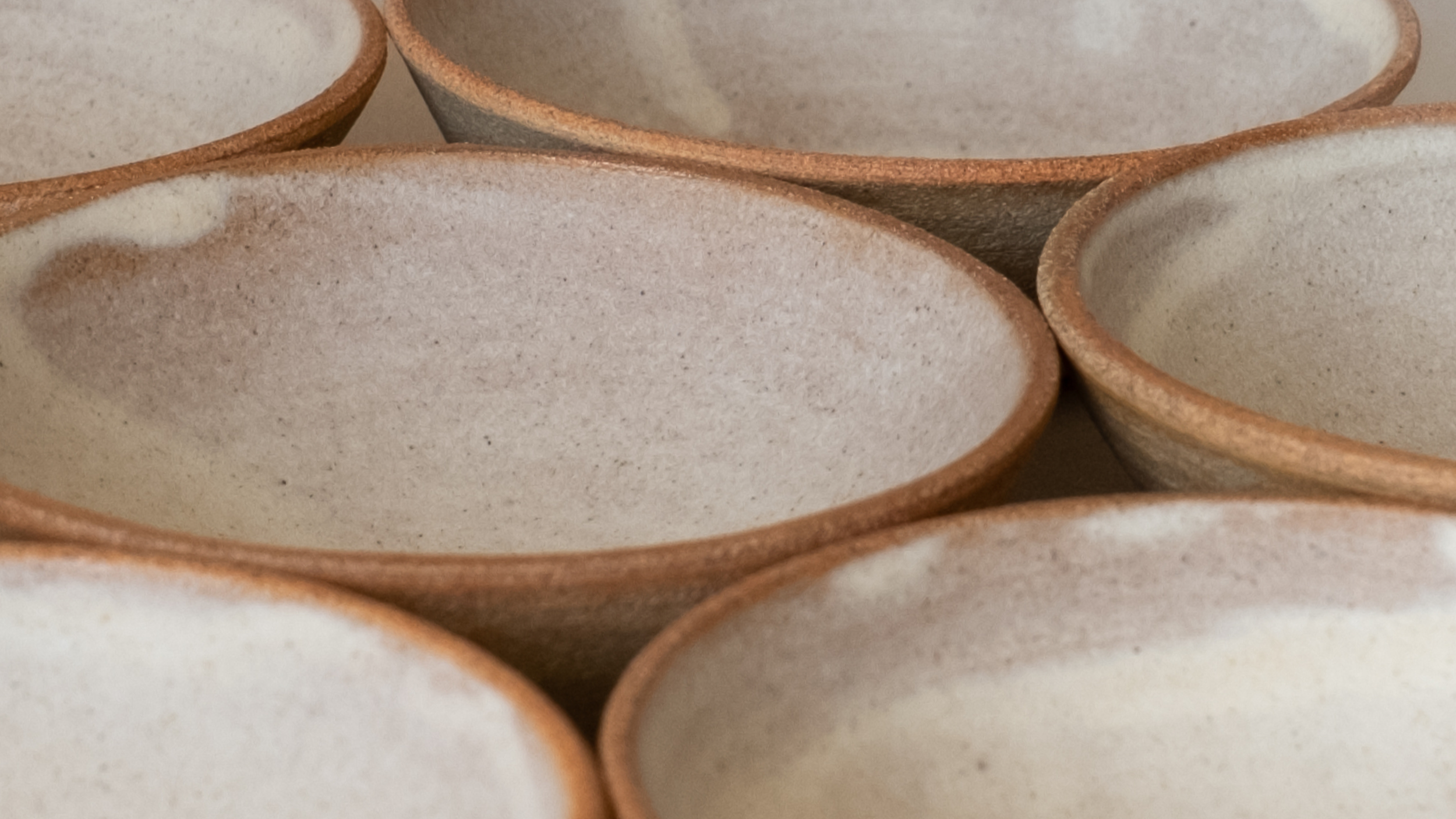
Hand-Thrown Stoneware Dipping Bowls in Warm Oatmeal Glaze — Available in My Shop.
Dishwasher or Hand Wash?
Most stoneware, especially glazed pieces, can go in the dishwasher without worry. The material is robust, and the glaze protects the surface from everyday wear. But handmade pottery is a little different from factory‑made ceramics, and it always benefits from gentler care. If you want your pieces to stay looking their best for years, hand washing with warm water and mild soap is the most protective option.
Dishwashers don’t usually damage stoneware outright, but the environment inside them is harsher than it seems. High‑pressure jets, strong detergents, and repeated heat cycles can gradually soften the sheen of satin or matte glazes, particularly those with a more tactile, hand‑finished surface. Over time, this can lead to micro‑etching: tiny surface changes that aren’t cracks, but can make a glaze look slightly more matte or less silky than when it was new.
If you prefer the convenience of a dishwasher, just be aware that the finish may age a little faster. Hand washing simply slows that process and keeps handmade glazes at their most beautiful.
Unglazed bases or raw clay details are more porous than glazed surfaces, so they prefer a quick wash and a thorough dry rather than a long soak. A little extra attention here helps prevent water absorption and keeps the clay in its best condition.
Can Stoneware Go in the Microwave?
Yes, most stoneware is microwave‑safe. High‑firing makes the clay dense and vitrified, so it doesn’t absorb water or crack under steady heat, and a good glaze helps the piece warm evenly. But with handmade ceramics, I still recommend using the microwave sparingly.
Handmade stoneware can heat up more quickly than factory‑made pieces because the clay body is naturally thick and retains warmth. It may also contain small amounts of iron or minerals that respond to microwave energy, which is completely normal but can make the piece feel hotter to the touch. Unglazed bases can warm faster too, especially if they’ve absorbed a little moisture during washing.
You can microwave handmade stoneware when needed, but for the longest life, and to keep glazes looking their best, gentler heating is always preferable. The only thing to avoid entirely is sudden temperature change. Moving a piece straight from the fridge into the microwave can stress the clay, so letting it come to room temperature first keeps it safe and helps it age beautifully.
Is Stoneware Oven Safe?
Stoneware is naturally heat‑resistant, which means it can go in the oven, but it prefers a slow, gentle approach. The safest method is to place your stoneware into a cold oven and let it warm gradually as the temperature rises.
Sudden changes, like moving a cold dish into a hot oven or placing a hot bowl onto a cold worktop, can cause thermal shock. Thermal shock happens when a ceramic experiences a rapid jump in temperature. The clay and glaze expand at different rates, and if that change happens too quickly, the stress can cause the piece to crack. Allowing stoneware to heat and cool gradually keeps everything stable and protects the integrity of the piece.
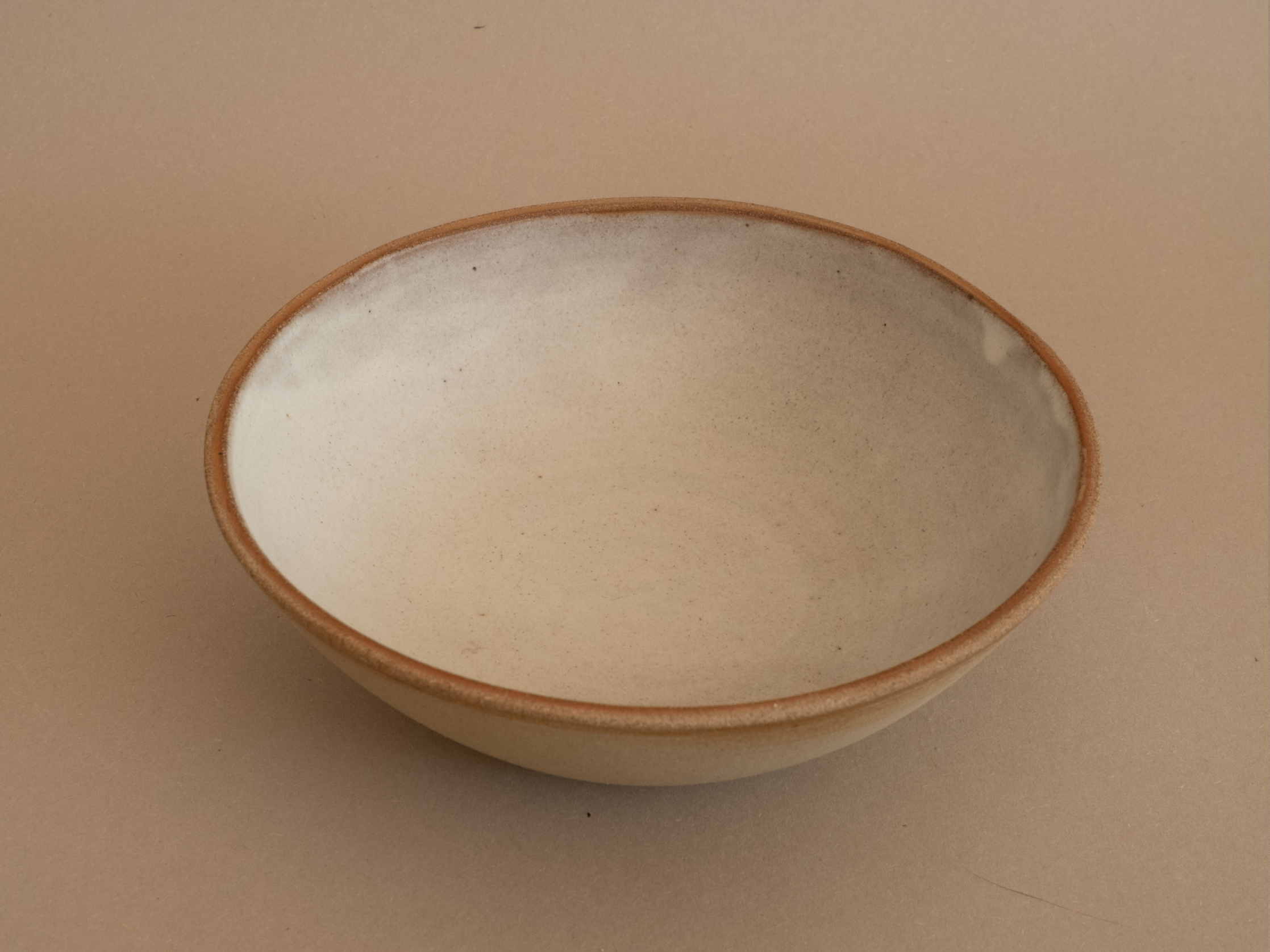
Hand-Thrown Stoneware Pasta Bowl in Matt Oatmeal Glaze, Available in My Shop
Cleaning Glazed Stoneware
Glazed stoneware is wonderfully low‑maintenance. Most of the time, warm water and a soft sponge are all you need. If you’re dealing with tea rings, coffee marks, or the occasional stubborn stain, a simple paste of baking soda and water will lift it without damaging the glaze. Avoid harsh abrasives or metal scourers. They won’t ruin the piece, but they can dull the surface over time.
Caring for Unglazed Stoneware
Unglazed clay has a beautiful, tactile quality, but it’s more porous than glazed surfaces. It’s best washed by hand, dried thoroughly, and kept away from long soaks. If you’ve ever wondered how to clean unglazed ceramic pottery, the answer is simple: gently. Warm water, mild soap, and a soft cloth are all you need.
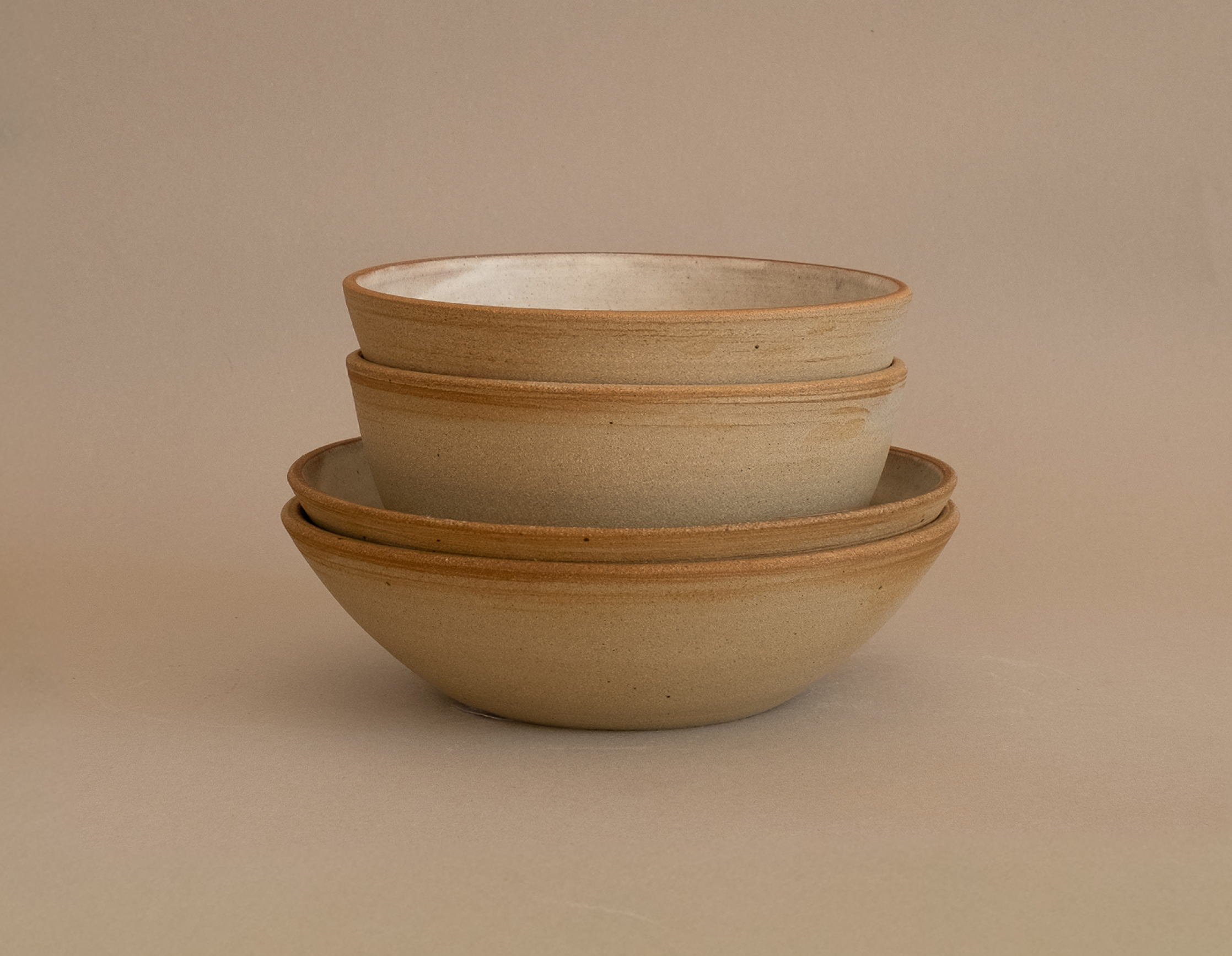
The Everyday Essentials Bowl Set with Unglazed Exterior, Available in My Shop
Can You Soak Stoneware?
You can, but it depends on the piece. Fully glazed stoneware can handle a short soak without issue. Unglazed areas, however, absorb water, so it’s better to avoid soaking them for long periods. If your piece has a raw clay base, a quick wash is always the safest option.
Removing Stains
Stains are part of life — especially if you use your stoneware every day. A little baking soda paste works wonders on most marks. For deeper stains, a brief soak in warm water with a splash of white vinegar can help lift discolouration. Just be sure to rinse well and dry thoroughly afterwards.
Storing Stoneware
Stoneware is strong, but like all ceramics, it appreciates a little care when stored. Plates stack beautifully, but placing a soft cloth or felt pad between them will prevent micro‑chips over time. Bowls prefer a little breathing room, and mugs are happiest when hung or spaced out so their handles don’t knock together.
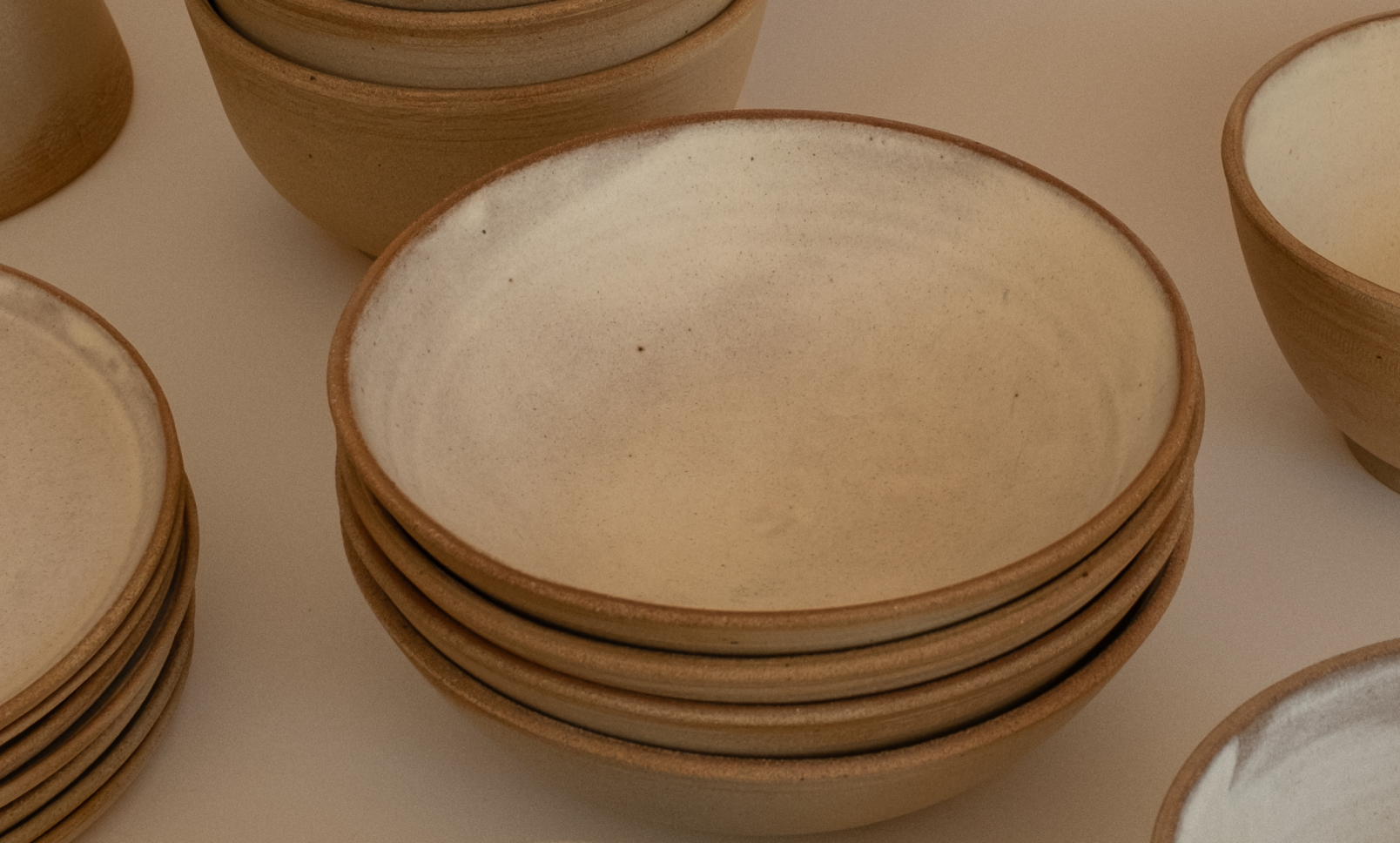
Caring for What You Bring Into Your Home
Every piece that leaves my studio comes with a small care card, but I always tell customers the same thing: stoneware is made to be used. Treat it with the same gentleness you bring to your home, and it will last for years.
If you’re looking for stoneware that’s designed for everyday use, you can explore my current collection of mugs and bowls, all made to be durable and functional. They’re created to be lived with, not kept on a shelf, and with a little care they’ll become part of the quiet rituals that make your home feel like yours.
Explore the Collection
Shop Everyday Stoneware
If you love the look and feel of stoneware and want pieces that stand up to daily use, explore our collection of handmade plates and bowls — crafted to be durable, tactile and easy to care for.
SHOP STONEWAREStoneware Care FAQ
-
With regular use and gentle care, stoneware can last for decades. It’s one of the most durable ceramic materials, and many people find their pieces become more characterful and comforting the longer they’re used.
-
Stoneware absorbs heat differently depending on thickness and glaze. A warm base is normal — it simply means the clay body has retained some of the microwave’s energy. If it ever becomes too hot, reduce the heating time or use lower power.
-
Cracks usually come from sudden temperature changes rather than everyday use. Moving a cold dish into a hot oven or placing a hot bowl onto a cold surface can cause thermal shock. Slow, steady temperature changes help prevent this.
-
Yes. Stoneware is naturally non‑porous and food‑safe when properly glazed. It’s ideal for daily rituals like morning coffee, simple lunches, or slow Sunday dinners.
-
Unglazed clay can absorb small amounts of water or oils, which may slightly deepen its colour over time. This is normal and part of the natural patina that develops with use.
-
No, stoneware doesn’t require seasoning. A simple wash before first use is enough, and the glaze provides all the protection it needs.
-
You can, but placing a soft cloth or felt pad between plates and bowls helps prevent micro‑chips, especially with handmade pieces that have more organic rims.
